Gayo Coffee Roasted at Origin: Freshness, Logistics & Wholesale Strategy
Gayo coffee has built its reputation on the steep, volcanic slopes of Aceh, Sumatra. Grown at 1,200 to 1,600 meters above sea level, the beans from Takengon and Bener Meriah are known for heavy body, low acidity, and those wild, fermented wine-and-honey notes that make you stop mid-sip. The processing—often wet-hulled in the traditional giling basah method—creates flavor compounds that are as complex as they are fragile.
Here’s the thing: those delicate aromatics don’t travel well. Green beans sit in warehouses, cross oceans, and rest on docks for weeks. By the time they reach your roaster, some of the magic has already evaporated.
That’s why a growing number of specialty buyers are looking at Roasted at Origin (RAO). Instead of shipping green beans and roasting in your home market, the coffee is roasted in Takengon, packed properly, and shipped as finished product. It’s not a new idea—but it’s shifting from novelty to strategic procurement tool.
Let’s break down what that means for your supply chain, your margins, and your customers’ cups.
Why Gayo’s Wine & Honey Processes Demand Freshness Preservation
The flavors that make Gayo special are volatile. Those peach-like esters, the winey fermentation notes, the subtle citrus brightness—they’re all delicate organic compounds that start degrading the moment the bean is processed.
The volatility of high-altitude fermented profiles in transit
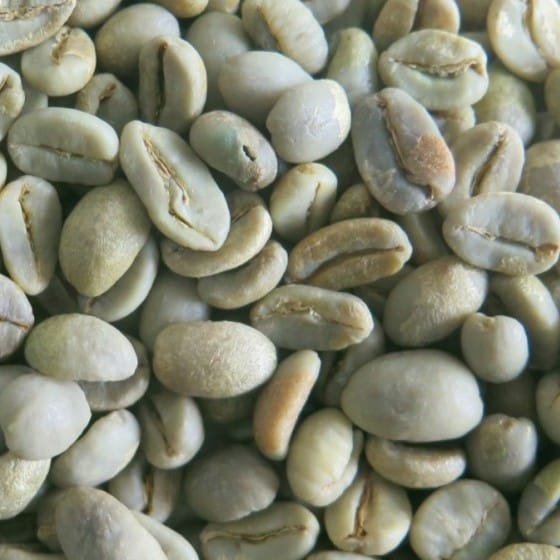
Fermentation creates complexity, but it also creates instability. A naturally processed Gayo lot that tastes like ripe mango and brown sugar at origin can taste flat and papery after six months in a jute bag. The longer green beans sit, the more those aromatic compounds break down. Coffee research has shown that volatile compounds in green coffee decrease significantly over time, especially in humid conditions.
How early-stage oxidation degrades floral/citrus notes in green beans
Oxidation is the enemy. When green beans are exposed to oxygen—which happens constantly during shipping and storage—the lipids and fatty acids inside start to go rancid. You lose the floral top notes first. Then the citrus brightness fades. What’s left is a flat, woody cup that doesn’t justify the premium price you paid.
Data point: Go Get Em Tiger’s 2026 RAO launch signals industry validation
When a respected specialty chain like Go Get Em Tiger launched their RAO program in early 2026, it wasn’t a gimmick. They cited freshness preservation as the primary driver. Their team found that Gayo beans roasted at origin and shipped vacuum-packed arrived with more of the winey, honeyed character intact than the same lot shipped green and roasted in Melbourne. That’s a real-world validation of what origin roasters have been saying for years.
Logistics & Shelf-Life: How RAO Changes Freight Economics
Here’s where RAO gets interesting from a business perspective. It’s not just about flavor—it’s about how you move product and manage inventory.
Degassing windows, vacuum/one-way valve packaging, and transit timelines
Roasted coffee needs to degas. Carbon dioxide escapes for days after roasting, which is why bags have one-way valves. But here’s the trade-off: degassing also means losing aromatics. The sweet spot is usually 3-7 days post-roast for espresso, slightly longer for filter.
With RAO, you control that timeline. The roaster in Takengon can package in vacuum-sealed bags or one-way valve bags designed for long transit. A vacuum-sealed bag of roasted coffee can stay fresh for 6-8 months. That changes everything about how you plan shipments.
Weight/volume efficiency vs. green bean shipping
Green beans weigh more than roasted beans—you’re shipping water weight that evaporates during roasting. Roasted coffee is roughly 15-20% lighter than green. On a 20-foot container, that’s real savings. You’re also shipping a finished product, not a raw material that needs processing.
Inventory planning: reducing warehouse holding costs & spoilage risk
Think about your current setup. You buy green, store it, roast it, package it, and ship it. That’s warehouse space, equipment maintenance, labor, and the risk of stale inventory sitting on your shelves.
With RAO, you order roasted coffee as needed. The origin roaster handles production. You receive a finished product with a clear roast date and a predictable shelf life. Your warehouse becomes a distribution point, not a production facility. That frees up capital and reduces spoilage risk.
Case framework: aligning roasted delivery schedules with roast-to-order cycles
The smartest buyers treat RAO like a just-in-time system. You forecast demand, place orders 4-6 weeks ahead, and the roaster in Takengon schedules production to match your arrival window. The coffee lands, rests for a few days, and goes straight to your customers. No aging inventory, no stale product, no wasted margin.
Value Retention & Supply Chain Innovation
RAO isn’t just about freshness—it’s about who captures the value.
Cooperative ownership models (ESOP parallels) & margin retention at origin
When you buy green beans, the farmer gets a fraction of the final retail price. The roaster, importer, and retailer capture most of the margin. RAO flips that dynamic. By roasting at origin, cooperatives in Aceh retain more value from their own product. It’s similar to employee stock ownership plans (ESOPs) in Western companies—the people doing the work share in the upside.
Some Gayo cooperatives are already exploring this model. They’re not just selling beans; they’re selling a finished product with higher margins. That money stays in the local economy, funding schools, healthcare, and infrastructure.
Low-carbon roasting tech: solar-assisted drum retrofits for Aceh’s grid constraints
Aceh’s power grid isn’t always reliable. That’s a real constraint for any roasting operation. But some origin roasters are working around it with solar-assisted drum roasters. These systems use solar thermal energy to preheat the drum, reducing the electricity needed for each batch. It’s not flashy, but it’s practical. Lower energy costs mean better margins, and lower carbon footprints appeal to environmentally-conscious buyers.
Climate-finance & development capital unlocking mid-stream infrastructure
The gap between “we have great coffee” and “we can roast and ship it consistently” is capital. Roasters cost money. Packaging lines cost money. Quality control labs cost money. That’s where climate finance and development capital come in. Organizations like the International Coffee Organization have highlighted the need for mid-stream investment in origin countries. When that capital flows, it unlocks the infrastructure needed for RAO to scale.
Strategic Advantages for Specialty Buyers
So why should you, as a buyer, care? Here’s the practical breakdown.
Consistent blends vs. micro-lot volatility: building brand loyalty
Micro-lots are exciting, but they’re also unpredictable. One season’s star lot might not exist next year. That makes it hard to build a consistent product. RAO lets you create a signature blend—say, “Gayo Wine-Honey Blend, Roasted in Takengon”—that tastes the same every time you order. Consistency builds customer loyalty. Loyal customers pay premium prices.
Roasted-to-order SKUs (“Gayo Wine-Honey Blend, Roasted in Takengon”)
Imagine having a SKU that tells a story. “This coffee was grown at 1,500 meters, fermented for 36 hours, and roasted in the mountains of Aceh.” That’s a compelling label. It’s also a practical one. You know exactly what you’re getting, batch after batch. No surprises, no cupping roulette.
Traceability storytelling without sacrificing batch consistency
Traceability is great for marketing, but it can be a nightmare for quality control. Single-farm lots vary. RAO lets you tell the origin story while maintaining blend consistency. You can say “this coffee comes from the Gayo highlands” without being locked into a single farm’s unpredictable output. It’s the best of both worlds.
How to Source Gayo RAO Coffee
Ready to explore RAO for your business? Here’s how to get started.
First, talk to us. We work directly with cooperatives in Takengon and Bener Meriah that have invested in roasting infrastructure. We can arrange samples, discuss volume pricing, and help you understand the logistics of importing roasted coffee from Aceh.
Second, think about your customers. Do they value freshness and origin stories? Are they willing to pay a premium for a product that’s roasted at the source? If yes, RAO is worth your time.
Third, consider your current supply chain. Where are the bottlenecks? Where are you losing quality or margin? RAO might not solve every problem, but it addresses the two biggest ones: freshness and value retention.
We offer wholesale pricing for importers, roasters, and café chains. Whether you need a single container or a regular monthly shipment, we can structure a program that works for your business.
Request wholesale pricing or shop our current Gayo RAO offerings. We’re happy to send samples and walk you through the numbers.
The coffee’s already roasting in Takengon. The question is whether you’ll be the one serving it.
Sources
https://www.percasi.or.id/gayo-coffee-production
https://www.gogetemtiger.com.au/blogs/news/rao-launch
https://www.coffeeresearch.org/science/aromatics.htm
https://www.ico.org/documents/cy2025-26/cmr-0126-e.pdf
Related reading
Browse related products:
- Gayo Arabika Grade 1 – Whole Bean 1kg
- Sumatra Eclipse Signature Blend
- Sumatra Lintong Green Coffee Beans
You may also like:
Leave a Reply