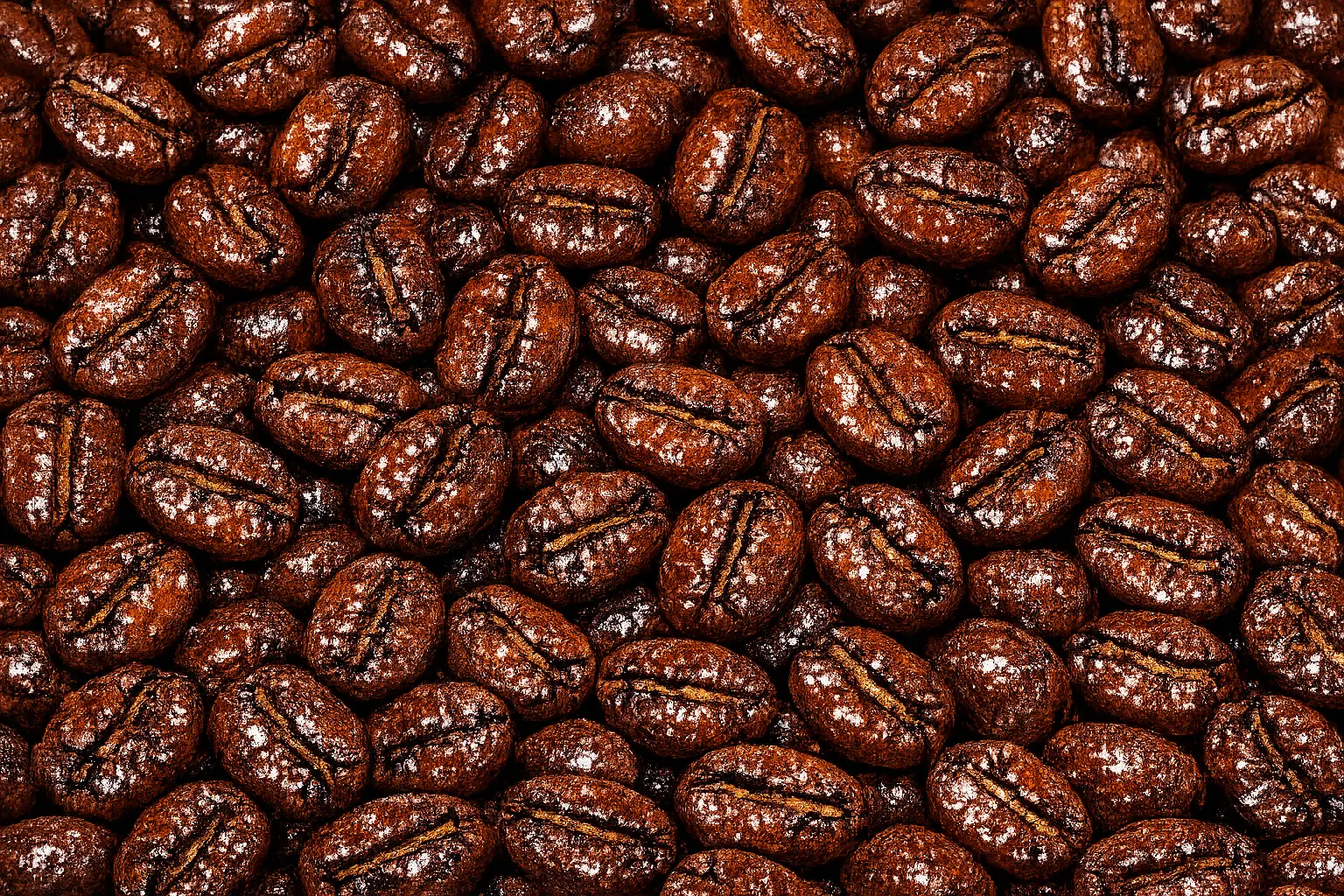
Gayo Coffee Beans: A Practical Guide for Roasters and Wholesale Buyers
If you’re sourcing green coffee for your roastery or wholesale operation, Gayo coffee from the Aceh highlands of Sumatra deserves a close look. It’s not a trendy newcomer—Gayo arabica has been a staple in specialty coffee for years. But recent shifts in processing methods and supply chain dynamics make it worth revisiting, especially if you work with wine, honey, or natural process coffees.
This guide covers what you need to know about Gayo beans: the origin, the processing styles that define them, what to look for in green beans, and how to brew them to show their best side. No fluff, no hype—just practical information for buyers who want to make informed decisions.
The Gayo Highlands and Aceh Origin
The Gayo Highlands sit in the Aceh province at the northern tip of Sumatra. Coffee grows between 1,200 and 1,600 meters above sea level, on volcanic soils that drain well and hold nutrients. The region gets a distinct wet-dry season pattern, which matters for processing.
Most farms are smallholder operations—families managing a few hectares. They grow Typica, Bourbon, and some Catimor varieties. The altitude and climate produce beans with high density and a clean acidity when processed well. That’s the baseline.
What sets Gayo apart from other Sumatran origins is the community structure. Many farmers are organized into cooperatives or farmer groups, which makes traceability easier. For a wholesale buyer, that means you can often get lot-level information without jumping through hoops.
Processing Methods: Wine, Honey, and Natural
Gayo coffee used to be almost exclusively wet-hulled (the traditional Sumatran giling basah method). That’s changing. More producers are experimenting with wine, honey, and natural processing, and the results are getting attention.
Wine process (sometimes called anaerobic natural) involves fermenting whole coffee cherries in sealed tanks with little to no oxygen. The fermentation can last 48 to 72 hours, sometimes longer. This develops fruity, boozy notes—think ripe berries, red wine, and sometimes a hint of dark chocolate. The process requires careful monitoring of temperature and pH. If done right, the coffee is clean and complex. If done poorly, it can be sour or funky.
Honey process means the cherry skin is removed, but some or all of the mucilage (the sticky fruit layer) stays on the bean during drying. The amount of mucilage left determines whether it’s yellow, red, or black honey. More mucilage means more sugar and more potential for sweetness, but also higher risk of mold or over-fermentation. Gayo honey process coffees often have a syrupy body, with notes of stone fruit and brown sugar.
Natural process (dry process) is the oldest method: whole cherries are spread on raised beds or patios to dry in the sun. It takes longer—two to four weeks—and requires constant turning to prevent spoilage. Natural Gayo coffees can be intensely fruity, with flavors like strawberry, mango, or even winey. But they’re also the most variable. Consistency depends on drying conditions and sorting.
For a roaster, these processes offer different flavor profiles to work with. Wine and honey processes tend to be more predictable than naturals, but all three require careful roast profiling to avoid baking or scorching.
Green Beans for Roasters: What to Look For
When you’re buying Gayo green beans, a few things matter beyond the cupping score.
Bean size and density. Gayo arabica typically grades as screen 16 to 18. Peaberry (single bean from a cherry) is common and often sold separately. Peaberries roast more evenly because they’re round and have less surface area relative to volume. If you’re doing light roasts for filter, peaberry can give you a cleaner cup.
Moisture content. Aim for 10–12%. Higher moisture can lead to mold in transit. Lower moisture means the beans are old or over-dried. Ask for a moisture reading from your supplier.
Defect count. Specialty grade requires fewer than 5 full defects per 350 grams. But with natural and honey processes, you might see more insect damage or broken beans if sorting wasn’t thorough. Request a sample and inspect it yourself.
Processing notes. A good supplier will tell you the fermentation time, drying method (raised bed vs. patio), and final moisture. If they can’t provide that, be cautious. Transparency is a sign of quality control.
Wholesale Supply and Sourcing
Gayo coffee is available through several channels: direct trade with cooperatives, importers specializing in Indonesian coffee, and online green coffee marketplaces.
For wholesale buyers, the key is consistency. If you’re planning to feature a Gayo wine process coffee on your menu for six months, you need a supplier who can deliver multiple lots with similar profiles. That’s easier with cooperatives that have dedicated processing stations.
Pricing varies. Wine and honey process coffees typically command a premium of 20–40% over conventional washed Gayo. Naturals can be even higher, depending on the lot size and cupping score. Expect to pay $6–$9 per pound FOB for high-scoring lots (85+ points). Peaberry often adds another $1–$2.
Shipping from Sumatra takes 4–6 weeks by sea. Plan your inventory accordingly. If you’re in North America or Europe, work with an importer who consolidates containers to keep freight costs manageable.
Want to explore Gayo coffee for your roastery? Request wholesale pricing and samples here (link to your shop or inquiry form).
Brewing Guidance
Gayo coffee from these processes can be rewarding to brew, but it’s not forgiving.
For filter (pour-over or batch brew): Use a medium-fine grind. Water temperature around 92–94°C (198–201°F). A 1:16 ratio is a good starting point. Wine and honey process coffees can handle a slightly longer contact time—3:30 to 4:00 minutes—to extract the sugars without pulling bitterness. Naturals are more delicate; try a shorter ratio (1:15) and a coarser grind to avoid over-extraction.
For espresso: These coffees can be tricky because of the high sugar content. A wine process Gayo might need a slightly cooler brew temperature (90–92°C) and a shorter ratio (1:2 or 1:1.8) to keep the shot balanced. Honey process works well at standard parameters but watch for channeling—the sticky mucilage can make the puck more dense.
Roasting advice: If you’re roasting these yourself, aim for a development time ratio (DTR) of 18–22% for light to medium roasts. Naturals and wine processes can handle a slightly shorter development (16–18%) to preserve fruit notes. Honey process benefits from a longer Maillard phase to develop caramelization.
Final Thoughts
Gayo coffee from Aceh is a solid choice for roasters who want to offer something distinctive without chasing fads. The wine, honey, and natural processing methods add variety, and the cooperative structure makes sourcing straightforward. Pay attention to processing details, sample before you commit to volume, and adjust your roast and brew profiles to match the coffee’s character.
If you’re ready to bring Gayo coffee into your lineup, we’d love to help. Shop Gayo green beans or contact us for wholesale pricing.
Related reading
Browse related products:
- Gayo Thermal Full Washed Green Coffee Beans
- Mandheling Wine Roast Signature Beans
- Sumatra Lintong Green Coffee Beans
You may also like:
Leave a Reply