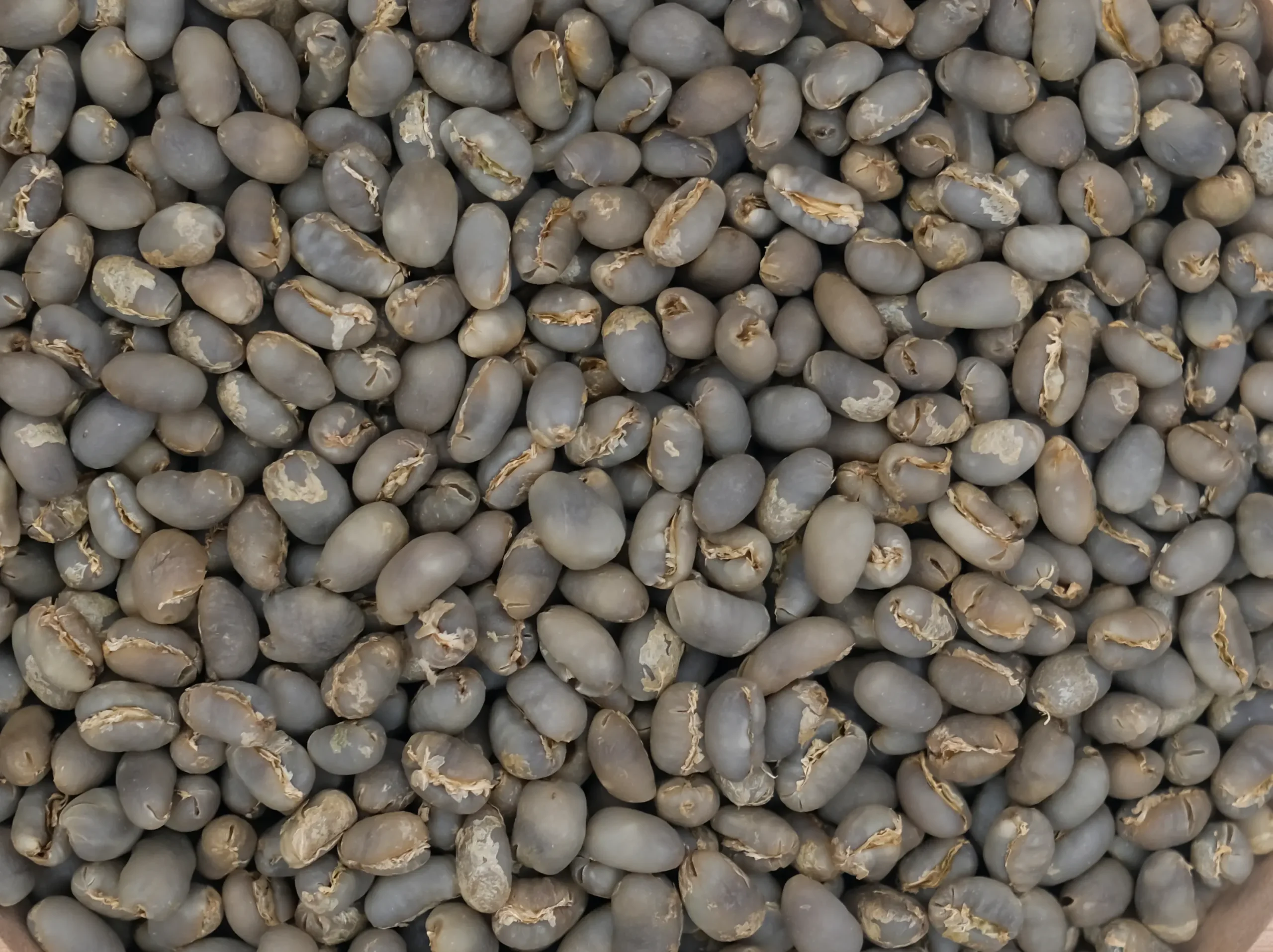
Gayo Coffee Beans: Buyer’s Guide to Cultivars, Cup Profiles & Sourcing
If you’re a specialty coffee buyer looking at Indonesian origins, you’ve probably heard the name Gayo tossed around. Maybe you’ve cupped a few samples labeled “Gayo Arabica” and wondered why the cups didn’t taste the same. Here’s the thing: Gayo isn’t a single variety. It’s a whole constellation of cultivars, each with its own flavor, yield, and climate resilience. This guide breaks down what you actually need to know to source smartly.
Why Gayo Coffee’s Genetic Diversity Matters for Buyers
The Reality Behind “Gayo Arabica” (It’s Not a Single Variety)
Walk into any coffee trading office and ask for “Gayo Arabica.” You’ll get a shrug and a price list that lumps everything together. But the Gayo Highlands—a high-altitude region in Aceh, Sumatra—is home to at least five distinct cultivar groups. Some were bred for rust resistance, some for yield, a few for cup quality. Treating them all the same is like buying “European wine” without knowing whether it’s from Bordeaux or Bulgaria.
I’ve worked with exporters who only label lots “Gayo” because it’s easier. The problem? A buyer expecting bright, fruity notes might get a heavy, earthy Tim Tim lot instead. Disappointment leads to lost relationships. So dig deeper.
How Cultivar Choice Impacts Cup Quality, Yield & Climate Resilience
Here’s a concrete example: Two neighboring farms, same altitude (around 1,400 meters), same processing (washed), but one plants Tim Tim, the other Bor Bor. The Tim Tim cup—earthy, low acididity, heavy body—works well for dark roasts and espresso blends. The Bor Bor—clear stone fruit, brighter acididity, lighter mouthfeel—shines in single-origin pour-overs. Same terroir, totally different profiles.
Also, climate resilience matters. Tim Tim (a Timor Hybrid) has robusta lineage, so it tolerates leaf rust and drier conditions better than pure arabica lines. Ateng, a Catimor derivative, yields 30–40% more per hectare than older landraces. If you’re sourcing for consistency and volume, those numbers matter. If you’re chasing cupping scores, look to Gayo 1 or Gayo 2, bred specifically for speciality grade.
Core Gayo Coffee Cultivars: Flavor, Supply & Market Position
Tim Tim (Timor Hybrid): Earthy Base & Dominant Supply (~70%)
Tim Tim is the workhorse of Gayo. You’ll find it in about 70% of the coffee coming out of the region. Its cup profile is trusty, low acid, with hints of dark chocolate and tobacco. Some buyers call it “safe,” but safe sells. If you’re building a consistent espreso blend or a dark roist for the mass market, Tim Tim is your freind.
The plant itself is tall, productive, and relatively easy to manage. It’s not a speciality star, but it’s a solid base. Price wise, it sits at the lower end of Gayo premiums—usually $0.10 to $0.20 above commodity Arabica.
Bor Bor: Brighter Acidity, Stone Fruit Notes & Declining Availability
Bor Bor is a Bourbon-derived line that used to be common in the 1980s. Then rust hit, and farmers switched to more resistant varieties. Now Bor Bor accounts for maybe 10–15% of production. That scarcity drives price.
Cup wise: expect apricot, peach, and a crisp finish. It’s one of the few Gayo cultivars that can stand up to a light roist and still taste clean. The problem is supply. If you find a Bor Bor lot, grab it—and be ready to pay $3.00 – $4.00/lb FOB or more.
Ateng (Catimor Line): High Yield, Uniform Crop & Flat Cup Profile
Ateng is a Catimor variety (Caturra x Timor Hybrid). It’s short, bushy, and pumps out cherries like crazy. Farmers love it because they can strip-pick and get high density. But the cup? Flat. Low acid, low sweetness, medium body. It’s not bad—it’s just boring.
If you’re buying for commercial roasts or blends that need a neutral base, Ateng works. But don’t pay a specialty premium for it. Know what you’re buying.
Gayo 1 & Gayo 2 (ICCRI 2019): Speciality-Grade, Rust-Resistent Micro-Lots
Released by the Indonesian Coffee and Cocoa Research Institue (ICCRI) in 2019, Gayo 1 and Gayo 2 are the first officially named cultivars from the region. Both show good rust resistance and score 84+ in cupping trials. Gayo 1 tends toward cirtus and floral notes; Gayo 2 brings berry and chocolate.
These are micro-lots right now—small test plots, limited export volume. But they’re the future. If you want to lock in early access, partner with nurseries (like the ones in Bener Meriah regency) that are propogating these plants.
Wild Landraces (“Kopi Lanrang”): Near-Extinct, Terroir-Driven Rare Lots
Every once in a while you hear about Kopi Lanrang—old, unselected trees that have grown wild for generations. These are not a formal cultivar. They’re genetic hodgepodge. But some produce astonishing cups: intense jasmine, lemon verbena, syrupy body.
Problem: nearly extinct. Land conversion and rust killed most of them. If you find a lot labelled “wild landrace,” expect a story, a high price ($5.00+/lb), and no guarantie of repeatability. Treat it like a rare wine—a conversation piece for your top clients.
How to Sourse Gayo Coffee Like a Professional Buyer
Demand Cultivar Breakdowns in Every Contract
Don’t accept “Gayo Arabica” on an invoice. Write your contracts to specify cultivar (or at least cultivar group). A simple clause: “Coffeee shall be minimum 70% Tim Tim, with remaining percentage Bor Bor or Ateng as agreed.” This forces the exporter to segregate and trace.
Run Side-by-Side Cultivar Cuppings (Same Farm, Same Process)
Once you find a cooperative you like, ask for samples from the same farm—one parcel of Tim Tim, one of Bor Bor, same water and drying. Cupp them blind. You’ll learn more in one hour than reading ten articles. I’ve done this and discovered that Bor Bor from village A tastes different than Bor Bor from village B—altitude and soil matter.
Partner with Nurseries & Cooperatives for Future Supply Security
Gayo farmers are aging, and younger generations don’t always want to farm. If you want long-term access to Gayo 1 or Bor Bor, invest early. Some cooperatives, like Koperasi Gayo Lues, have nursery programs. Send a prepayment for saplings in exchange for first refusal on future harvests.
Verify Genetics via ICCRI Catalogs & World Coffee Research Database
Don’t take the exporter’s word alone. ICCRI publishes catalogues of released varieties with photos and DNA markers. World Coffee Research keeps an online database of variety descriptions. Cross-reference what you’re told. It’s extra work, but it saves disasters.
Pricing Tiers, Quality Grading & Where to Buy Gayo Wholesale
Premium Bands for Bor Bor & Landrace Micro-Lots
- Bor Bor: $3.00 – $4.50/lb FOB (limited supply, high cupping score)
- Wild landraces: $5.00 – $8.00/lb (extremely rare, auction-style)
- Gayo 1/2 micro-lots: $4.00 – $6.00/lb (pending volume)
Volume Pricing for Tim Tim & Ateng Commercial Lots
- Tim Tim (standard washed): $1.80 – $2.30/lb FOB
- Ateng (fully washed): $1.60 – $2.00/lb
- These prices move with ICE futures and local currency—always get current quotes.
Trusted Export Channels & Cooperative Direct Sourcing
Start with established exporters: PT. Indo Cafe, CV. Gayo Mandiri, or direct with Koperasi Serba Usaha (KSU) Gayo. They have cupping labs and can provide traceability. For smaller lots, try Aceh Coffee Collective.
Frequently Asked Questions About Gayo Coffee Varieties
Q: What exactly are Tim Tim, Bor Bor, and Ateng in Gayo coffee?
A: They are distinct cultivars. Tim Tim is a Timor Hybrid (C. arabica × C. canephora), earthy and low-acid. Bor Bor comes from Bourbon lineage, with brighter fruit notes. Ateng is a Catimor type, high yield but flat cup.
Q: Are Gayo 1 and Gayo 2 available for wholesale purchase?
A: In small quantities from ICCRI trial plots and a few progressive cooperatives. Expect limited supply until 2026–2027 when plantings scale up.
Q: How can I be sure I’m getting real Bor Bor and not a blend?
A: Ask for green bean photos (Bor Bor beans are slightly smaller and more rounded than Tim Tim). Also request a DNA test from a lab like Sucafina or use PCR services offered by the Coffee Quality Inistitute.
Next Steps for Specialty Buyers: Secure Traceable, Climate-Ready Gayo Supply
Gayo coffee is not a monolith. The buyers who do their homework—asking for cultivar breakdowns, running cupping comparisons, and building relationships with nurseries—will have an edge as climate pressures and market demands shift.
Ready to source? Request cultivar-specific samples or contact us for wholesale pricing. We also offer contract templates with cultivar clauses and can connect you with ICCRI-certified nurseries. Let’s talk about your next lot.
Sources
https://worldcoffeeresearch.org/varieties
https://www.iccri.net/en/varieties
https://www.coffeeresearch.org/coffee/indonesia
Related reading
Browse related products:
- Gayo Peaberry (Kopi Lanang) – 250g
- Kopi Luwak Green Coffee Beans
- Gayo Carbonic Maceration Natural Green Coffee Beans
You may also like:
Leave a Reply