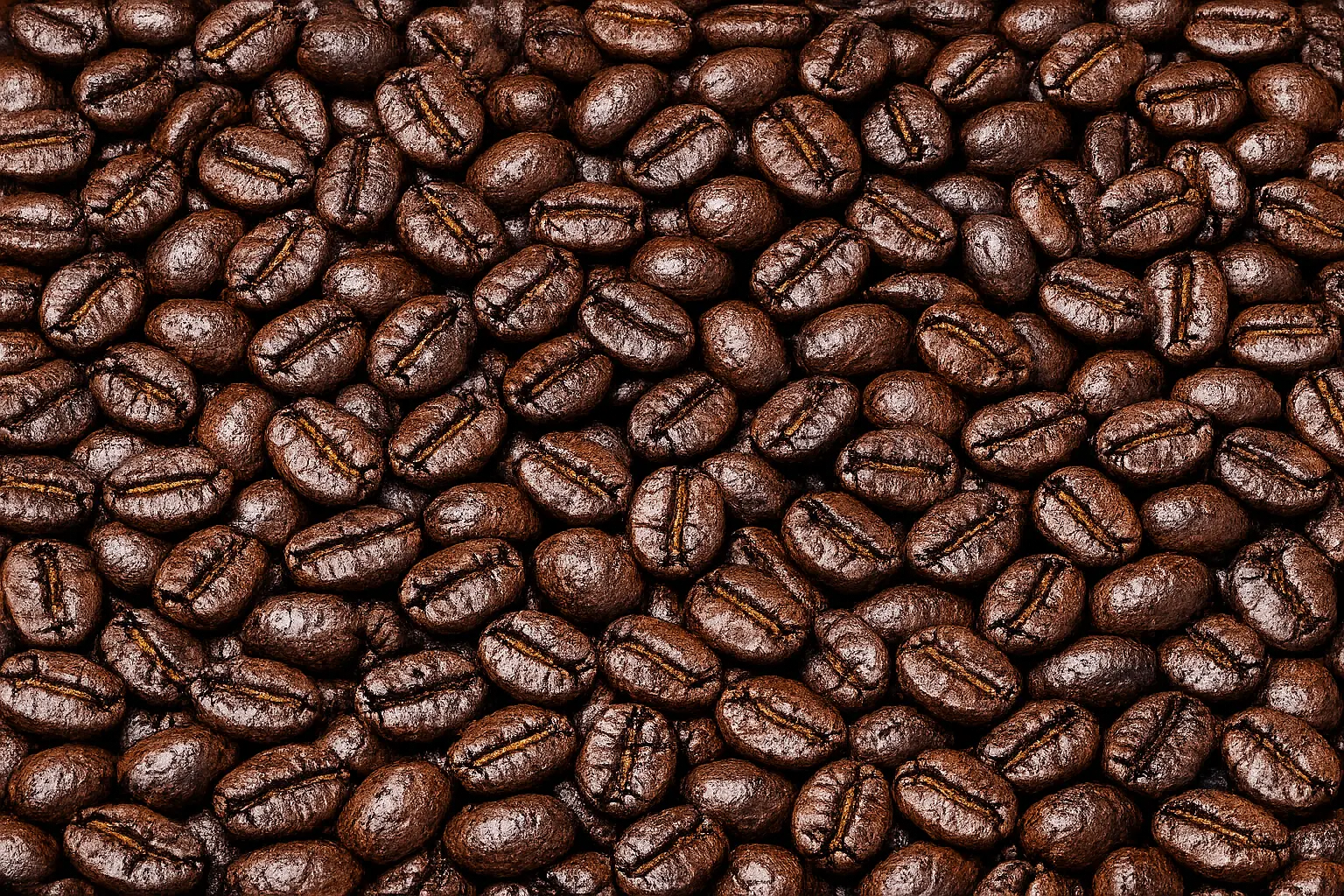
Gayo Peaberry Coffee Beans: The Wholesale Buyer’s Guide
Most coffee beans grow two to a cherry, flat sides pressed together like a pair of siamese twins. But about 1–5% of cherries produce a single, round seed. That’s the peaberry.
Gayo Peaberry from Aceh, Sumatra, is a specialty-grade version of that anomaly. It’s not rare in the way a Gesha is rare—it’s uncommon in a structural sense. One cherry, one seed. No flat side. No sibling to compete for nutrients. That single seed gets all the resources, and it shows in the cup.
If you’re a roaster or wholesale buyer looking for a concentrated, high-impact Arabica for espresso blends or micro-lot offerings, this bean deserves a close look.
What Defines Gayo Peaberry? Origin & Physical Characteristics
The Gayo Highlands sit at 1,200–1,600 meters above sea level, right on the equator. The volcanic soil, wet-hulling process (Giling Basah), and consistent rainfall create a specific cup profile: heavy body, low acidity, earthy spice. That’s the baseline for Gayo Arabica in general.
Peaberries from this region share those terroir signatures, but they also bring something extra.
Physically, the bean is round, small, and dense. A typical Gayo Peaberry passes through a screen size of 15 or 16. That’s smaller than many flat beans from the same region, but density is higher. When you drop a handful into your palm, they feel heavier than they look. That density matters for roasting—more thermal mass means you need to manage heat application differently than you would with a standard bean.
The peaberry shape also affects airflow in the drum. Round beans tumble differently than flat ones. They don’t settle into the gaps the same way. If you roast them the same way you roast flat beans, you’ll get uneven development. More on that later.
Straight Talk on Grading: What Wholesale Buyers Need to Know
Peaberry grading is stricter than standard bean grading, or at least it should be if the exporter knows what they’re doing.
Here’s what a properly graded Gayo Peaberry lot should include:
- Screen size: Minimum 15. Anything below 14 is underdeveloped and will taste grassy or astringent.
- Defect count: Specialty grade means zero primary defects and no more than 5 secondary defects per 350g sample. For peaberries, the main defect is broken or chipped beans—they’re more fragile during milling.
- Moisture content: 10–12%. Wet-hulled Sumatran beans often land on the higher side. That’s fine for shipping stability, but it shifts your roast curve.
- Density tolerance: If you’re buying peaberry for espresso, ask for a density reading above 720 g/L. Lower density means the bean absorbed more moisture during processing, and it will roast faster and less predictably.
Unscrupulous exporters sometimes mix small flat beans into peaberry lots. They look similar at a glance. The only way to catch this is to pull a 100g sample and sort by shape. A good supplier will guarantee 95%+ peaberry content. The best suppliers will guarantee 98%.
Flavor Concentration: What the Peaberry Does in the Cup
Because the single seed gets all the nutrients from the cherry, peaberries tend to concentrate flavor compounds. That’s the theory, and it holds up in blind cuppings.
Compared to flat Gayo beans from the same farm lot, peaberries show:
- Higher perceived sweetness. Not sugary, but a brown-sugar or molasses quality.
- More pronounced spice notes. Cinnamon, clove, sometimes black pepper.
- Fuller mouthfeel. The oils emulsify more readily, which makes the coffee feel heavier on the tongue.
- Lower perceived acidity. Gayo beans already have low acidity—peaberries push that even lower. For espresso, that’s an advantage. For filter, it can be a drawback if not roasted correctly.
The flavor profile isn’t “better” than the flat beans. It’s different. More intense in some directions, less in others. The key is knowing what you want to build.
Two Brewing Paths: Espresso Blend Component vs. Filter Micro-Lot
For espresso
Gayo Peaberry works as a single-origin espresso, but its real value is in blends. The body and sweetness fill the middle of the cup. It rounds out high-acidity coffees from Kenya or Ethiopia. It adds texture to lighter roasts that can feel thin.
Roast it to Full City or just into second crack. Agtron #55–#65. Development time ratio around 20–22%. That gives you enough caramelization to bring out the molasses notes without burning off the spice.
Pull the shot at a 1:1.8 ratio at 92°C. Watch for channeling—the density of peaberries makes them harder to extract evenly in a puck that also contains flat beans. If you’re blending, grind the peaberry separately and add it to the blend post-grind.
For filter
Gayo Peaberry can be a good single-origin filter coffee, but you need to be careful with the roast. Too dark and you lose the spice complexity. Too light and the low acidity makes the cup taste flat and dull.
Target City+ roast. Agtron #65–#70. Development time ratio 18–20%. This preserves the origin character while developing enough sweetness to carry the cup.
Brew it with a Kalita Wave or flat-bottom dripper. Cone filters can stall with the dense fines from peaberries. Use a medium-fine grind, water at 94°C, and a 1:16 ratio. Steep time around 2:30. If you’re getting bitterness, the water is too hot or the grind is too fine.
Wholesale Sourcing Strategy: Where to Buy Gayo Peaberry
Gayo Peaberries come primarily from the Central Aceh and Bener Meriah regencies. The coffee is exported through Medan, North Sumatra.
For wholesale buyers, you have two options:
-
Direct relationship with a cooperative. The Koperasi Kopi Gayo and others can supply peaberry lots, but you need to specify the grading requirements up front. Most cooperatives sort peaberries by hand. That takes time. Expect a premium of $0.50–$0.80 per pound over the flat bean price.
-
Specialty importer. Companies like Royal Coffee, Cafe Imports, and Ally Coffee carry Gayo Peaberry in season. You pay a markup, but you get cupping scores, density readings, and sample roasts. For a first-time buyer, this is the safer route.
Minimum order quantities vary. Some importers will sell a 35kg box. Others want a full bag (60kg). Cooperatives generally require a full container (around 320 bags) unless you go through an aggregator.
If you’re buying peaberry specifically for an espresso blend, ask for a pre-shipment sample. Roast it. Pull shots. Evaluate how it interacts with your existing blend components. Peaberries from different lots behave differently, even when they come from the same region.
A Note on Price and Availability
Gayo Peaberry commands a premium because of the manual sorting labor and lower yields. Expect to pay 15–25% above the commodity Arabica price for the region, depending on volume.
Availability peaks from June to August, with a smaller harvest from November to January. The main harvest produces better quality. If you’re planning a winter seasonal blend, buy your peaberry stock in the middle of the year and store it in GrainPro bags in a climate-controlled environment.
Peaberries lose moisture faster than flat beans during storage. Don’t keep them longer than eight months. After that, the density drops and the cup loses vibrancy.
Where to Start
If you’ve been sourcing Gayo beans as a flat coffee and wondering how to differentiate your product line, peaberry is a straightforward upgrade. It’s a genuine physical distinction—not a marketing gimmick. The bean is different, the roast behaves differently, and the cup tastes different.
That difference can justify a higher price point. It can anchor a menu. It can give your wholesale customers something they can’t get from every roaster on the block.
[Shop Gayo Peaberry Now] or [Request Wholesale Pricing] — We offer 35kg and 60kg options with full grading documentation, moisture analysis, and density readings. Small batch sample requests also available for serious buyers.
Sources
https://www.perfectdailygrind.com/2018/10/what-is-peaberry-coffee/
https://royalcoffee.com/product/gayo-peaberry/
https://www.coffeeresearch.org/coffee/peaberry.htm
https://www.roastmagazine.com/
Related reading
Browse related products:
- Delonghi Dedica EC685 Coffee Machine
- Robusta Lampung Green Coffee Beans
- Gaggia Milano La Nera 1 Group Coffee Machine
You may also like:
Leave a Reply