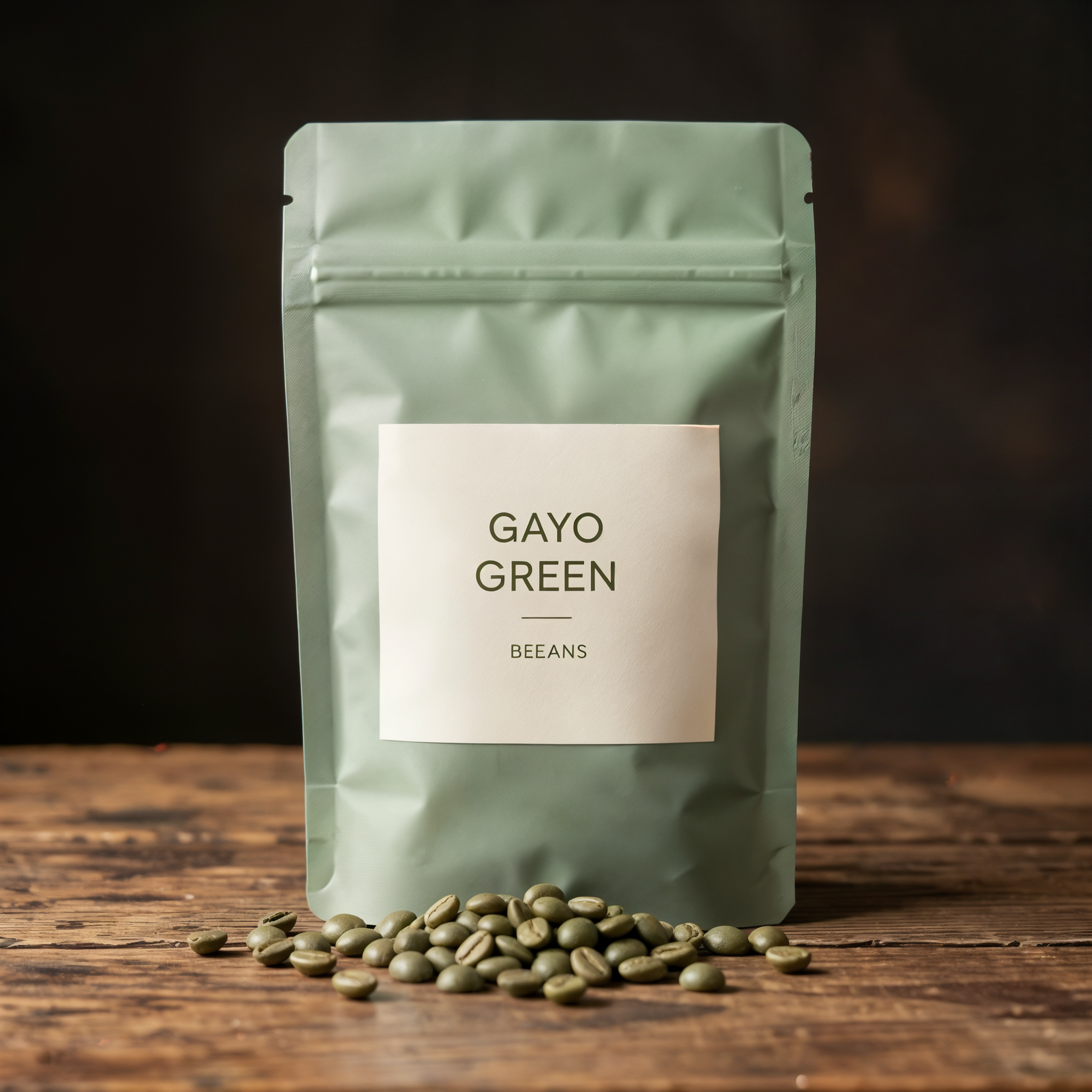
Buy Premium Gayo Coffee Beans | Authentic Sumatran Single-Origin
If you’ve been searching for a coffee that tastes like nothing else, Gayo beans from the highlands of Aceh, Sumatra, are worth your attention. They’re earthy, full-bodied, and low in acid — a combination that’s hard to find in most single-origin coffees. This article walks you through what makes them special, how to brew them, and where to buy beans you can trust.
What Makes Gayo Coffee Beans Unique?
Two things set Gayo coffee apart: where it grows and how it’s processed. Both shape the flavor in ways you’ll notice from the first sip.
High-Altitude Growing Conditions in the Gayo Highlands
The Gayo Highlands sit at 1,200 to 1,600 meters above sea level. That altitude slows down the cherry’s maturation, which lets sugars and acids develop more fully. The result? A denser bean with more complexity. The region’s volcanic soil adds mineral depth, and the cool mountain air keeps disease pressure low, so farmers can grow coffee without heavy chemical inputs.
Most Gayo coffee is grown by smallholder farmers who manage plots of one to two hectares. They typically intercrop with shade trees like dadap or lamtoro, which protect the coffee from direct sun and help retain soil moisture. This isn’t industrial farming — it’s careful, hands-on work.
Traditional Wet-Hulling (Giling Basah) Processing
Indonesia is famous for a processing method called giling basah, or wet-hulling. Here’s how it works: after picking, the coffee cherry is pulped, then the beans are stored with their mucilage (the sticky layer) for a short fermentation — usually 12 to 24 hours. Then the beans are washed and dried to about 30–35% moisture. At that point, the parchment layer is removed while the bean is still soft and wet.
Why go through all that trouble? Wet-hulling reduces drying time in a humid climate where mold is a real risk. But it also changes the flavor. The process pushes more of the bean’s sugars toward the surface, creating that signature earthy, syrupy body and low acidity. Some people describe it as “wild” or “funky,” but for most drinkers, it’s just deeply satisfying.
Flavor Profile & Best Brewing Methods
Tasting Notes: Earthy, Herbal, Chocolate & Low Acidity
A well-roasted Gayo coffee delivers a cup that’s heavy in the mouth — almost like syrup. You’ll taste dark chocolate, cedar, and a hint of herbal spice, maybe something like thyme or lemongrass. The acidity is gentle, more like ripe fruit than citrus. The finish is clean and sweet, with no harsh bitterness.
This profile makes Gayo a great choice for people who find bright, acidic coffees (like Ethiopian Yirgacheffe) too sharp. It’s also a natural crowd-pleaser for milk drinks, because the body holds up well against dairy.
Recommended Grind Size & Water Temperature
For a French press, use a medium-coarse grind — think sea salt. Water at 200°F (93°C) works best. A 1:16 coffee-to-water ratio is a safe starting point. Steep for four minutes, then plunge slowly.
For pour-over (V60 or Chemex), go medium-fine, like table salt. Keep the water at 200°F and aim for a total brew time of 2:30 to 3:00 minutes. The low acidity means you can push extraction a bit without getting sour notes.
For espresso, a medium-fine grind and a 1:2 ratio (18g in, 36g out) in 25–30 seconds will give you a thick, chocolatey shot.
How to Spot Authentic Gayo Coffee Beans
Not every bag labeled “Sumatra” is Gayo. Here’s how to tell the difference.
Certification & Traceability Markers
Look for explicit origin labeling: “Gayo Highlands,” “Central Aceh,” or the name of a specific cooperative like Koperasi Gayo Organic. Harvest dates and roast dates matter too. A bag that only says “Sumatra” with no further detail is likely a blend.
Some Gayo coffee carries organic or Fair Trade certification. While those labels aren’t guarantees of quality, they do indicate that the farmer was paid a premium and that the coffee was grown without synthetic pesticides. If you want to dig deeper, ask the roaster for the name of the farm or village. A transparent supplier will share that information.
Avoiding Blends or Mislabelled “Sumatra” Beans
Big commodity roasters often blend Gayo beans with lower-grade robusta or cheaper arabica from other regions. The bag might say “Sumatra Blend” or “Indonesian Blend.” That’s not necessarily bad coffee, but it’s not pure Gayo.
To get the real thing, buy from a specialty roaster that publishes sourcing details. If the price seems too low — say, under $12 per 12-ounce bag — it’s probably a blend. Authentic single-origin Gayo typically costs $16–$22 per 12 ounces, depending on the roast level and certification.
Where to Buy Fresh-Roasted Gayo Coffee Online
Small-Batch vs. Wholesale Options
If you’re a home brewer, small-batch roasters are your best bet. They roast to order, ship within 48 hours, and usually include a roast date on the bag. That freshness matters — coffee starts losing flavor about two weeks after roasting.
If you run a café or office, wholesale pricing is available for orders of 5 pounds or more. Many roasters offer tiered discounts: 10% off for 5–10 lbs, 15% off for 20+ lbs. You’ll also get consistency across batches, which is critical for a commercial setup.
Shipping, Storage & Shelf Life Tips
Most roasters ship within 2–3 business days. Ground shipping takes 3–5 days in the US. Once the bag arrives, transfer the beans to an airtight container and keep them in a cool, dark cabinet — not the fridge or freezer, which can introduce moisture and odors.
Use the beans within 3–4 weeks of the roast date for peak flavor. After that, they’ll still be drinkable, but the aroma and complexity will fade.
Gayo Coffee vs. Mandeling & Other Indonesian Varietals
Mandeling coffee comes from the same region — North Sumatra — but it’s grown at lower altitudes and processed differently. Mandeling beans are typically dry-processed (natural), which gives them a heavier body and more fermented, almost winey notes. Gayo, with its wet-hulling, is cleaner and more herbal.
Other Indonesian varietals like Java or Bali arabica tend to be brighter and more floral, with higher acidity. If you like Gayo’s earthiness, you’ll probably enjoy Sulawesi Toraja as well, which has a similar body but with more fruit notes.
Frequently Asked Questions (FAQ)
Q: What does authentic Gayo coffee taste like?
A: Full-bodied, syrupy, low acidity. Expect dark chocolate, cedar, earth, and a hint of herbal spice. The finish is clean and sweet.
Q: Is Gayo coffee really single-origin?
A: Yes, if it’s labeled as coming from the Gayo Highlands in Central Aceh. Look for farm or cooperative names and harvest dates to verify.
Q: How is Gayo coffee processed, and why does it matter?
A: Most Gayo beans use Giling Basah (wet-hulling), which reduces drying time in humid climates. This creates the signature earthy, low-acid profile.
Q: Where can I buy fresh, traceable Gayo coffee beans online?
A: Buy from specialty roasters that publish roast dates, offer direct-trade or fair-certified sourcing, and ship within 48 hours of roasting. Avoid bulk commodity sellers without transparency.
Q: What’s the best brew method for Gayo coffee beans?
A: French press, AeroPress, or pour-over (V60/Chemex). Use a medium-coarse grind, 200°F water, and a 1:16 coffee-to-water ratio.
Q: Why is Gayo coffee priced higher than supermarket brands?
A: Higher costs reflect altitude farming, manual processing, limited regional yield, sustainable practices, and small-batch roasting. You’re paying for terroir, traceability, and peak freshness.
Ready to try a bag? We roast Gayo beans in small batches every Tuesday and ship the same day. Shop single-origin Gayo coffee or request wholesale pricing for your café or office.
Sources
https://www.coffeeresearch.org/
Related reading
Browse related products:
You may also like:
Leave a Reply