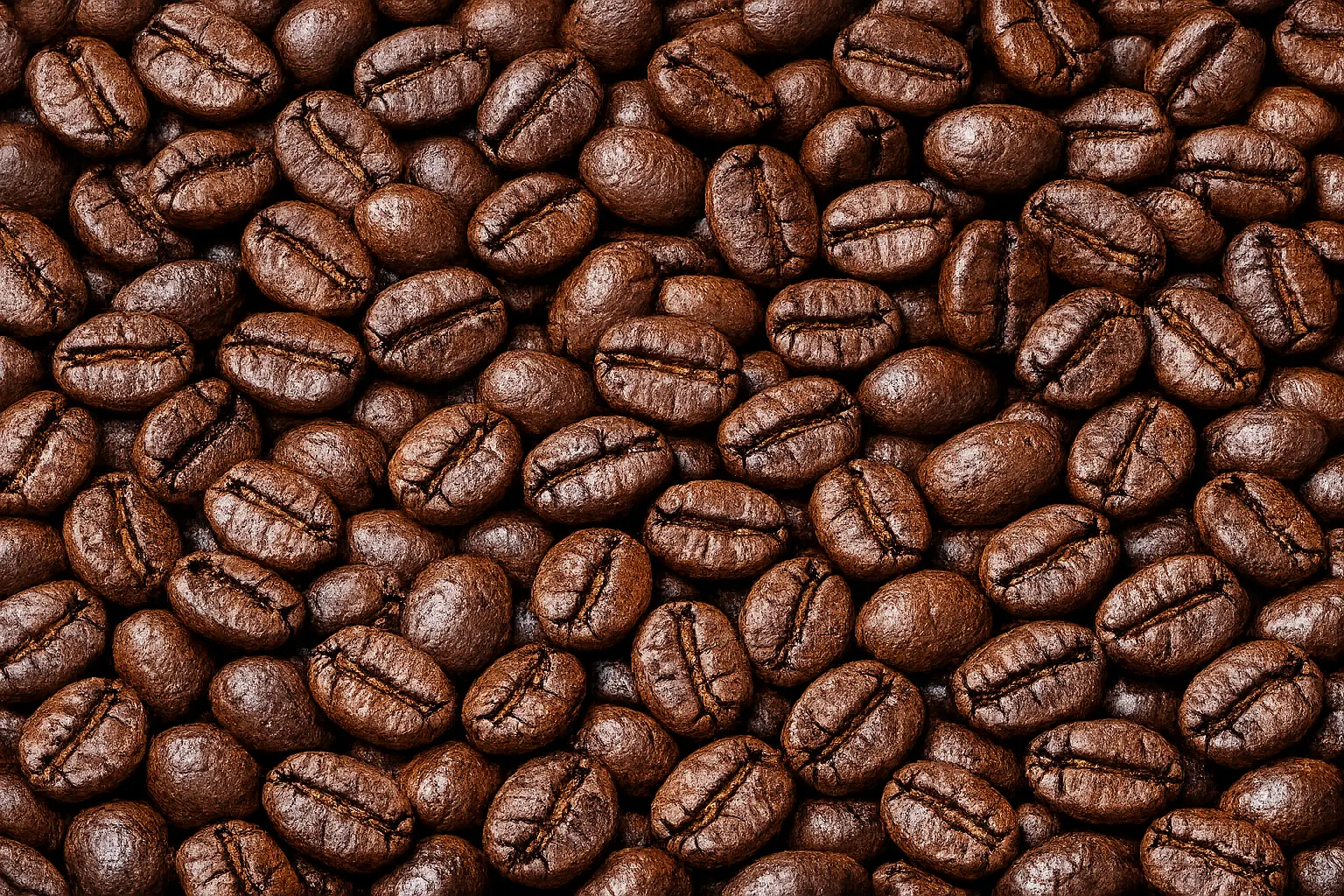
Gayo Coffee Beans: A Practical Guide to Sumatra’s Highland Harvest
You’ve probably seen “Sumatra” on a coffee bag and thought, “That’s the earthy one.” And you’d be right, but that’s only half the story. The Gayo Highlands in Aceh, at the northern tip of Sumatra, produce something different. It’s not the murky, wild cup you might associate with old-school Indonesian coffee. It’s cleaner, brighter, and often processed in ways that surprise people.
Let’s talk about what actually makes Gayo beans worth your attention, and how to handle them once you get them.
Where “Gayo” Comes From
The name refers to the Gayo people and the region they’ve farmed for generations. The highlands sit around 1,200 to 1,600 meters above sea level, near Lake Laut Tawar. That altitude, combined with the volcanic soil and a wet climate, creates conditions that coffee plants love. But here’s the thing: the region’s reputation isn’t just about terroir. It’s about how the farmers process the cherries.
Most of the world’s coffee is either washed (the fruit is removed before drying) or natural (the whole cherry is dried). Gayo producers have been experimenting with a middle path. You’ll hear terms like “wine process” or “honey process” thrown around. These aren’t just marketing buzzwords. They refer to specific methods that leave part of the fruit’s mucilage on the bean during drying. That sticky layer ferments, adding complexity.
A honey-processed Gayo coffee can taste like brown sugar and dried stone fruit. A wine-processed lot, where fermentation goes further, might remind you of a fruity, slightly boozy cup. These aren’t flavors you get from a standard washed Sumatra. They’re the result of deliberate choices in the field.
The Peaberry Question
If you’re buying Gayo beans, you’ll eventually run into “peaberry” on a spec sheet. Normally, a coffee cherry contains two seeds that flatten against each other. A peaberry is a mutation where only one seed develops. It’s rounder, denser, and some roasters swear it roasts more evenly.
Here’s the practical reality: peaberries are rare. They make up maybe 5-10% of a harvest. That scarcity drives up the price. Is it worth it? That depends on what you’re selling. If you’re a roaster looking for a premium single-origin offering, a Gayo peaberry gives you a story and a distinct cup profile. The beans tend to have a heavier body and a more concentrated sweetness. But if you’re blending or looking for a daily drinker, the regular grade Gayo beans often deliver 90% of the experience at a fraction of the cost.
I’ve cupped both side by side. The peaberry is cleaner, no doubt. But the standard grade has that wild, spicy character that Sumatra is known for. Don’t dismiss it just because it’s cheaper.
Brewing Gayo Coffee: What Works
Here’s where a lot of people mess up. They treat Gayo coffee like any other single origin and brew it with a light roast, pour-over recipe. That’s a mistake.
Gayo beans are dense. They come from high altitude, and they’re often processed with that sticky mucilage intact. That means they need more heat and more time to extract properly. If you brew them like a washed Ethiopian, you’ll get a sour, underdeveloped cup.
For a pour-over, try a slightly finer grind than you’d use for a Central American coffee. Use water just off the boil, around 200°F (93°C). And don’t be afraid to let the brew run a little longer. A 1:15 ratio (coffee to water) is a good starting point. Adjust from there based on taste.
If you’re using an espresso machine, Gayo beans can be a revelation. The heavy body and low acidity make for a thick, syrupy shot. Pull it slightly longer than you would for a fruity African coffee. You’re looking for a balanced shot with a lingering sweetness, not a bright, acidic one.
For a French press, use a coarse grind and steep for four minutes. The result is a cup that tastes like dark chocolate and spice, with almost no bitterness. It’s the kind of coffee you drink black, slowly.
The Market Reality
Let’s be honest about the economics. Coffee prices have been volatile. According to the International Coffee Organization, the composite indicator price for Arabica has seen significant swings in recent months [1]. That affects everyone, from the farmer in Aceh to the roaster in Portland.
There’s also a broader trend of price drops for Arabica, which some analysts attribute to increased production in Brazil and other origins [2]. That might sound like good news for buyers, but it puts pressure on producers in places like Sumatra, where yields are lower and costs are higher.
What does this mean for you? If you’re buying Gayo coffee, you should expect to pay a premium over commodity-grade beans. The processing methods take time and labor. The region’s infrastructure is challenging. And the farmers are increasingly aware of the quality they’re producing. They’re not going to give it away.
But here’s the opportunity: the specialty coffee market is growing. A recent study on Gen Z coffee consumption found that younger drinkers are willing to pay more for coffee with a story and a clear origin [3]. They want to know where their coffee comes from and how it was processed. Gayo coffee has that story in spades.
What to Look For When Buying
When you’re sourcing Gayo beans, don’t just look at the name. Ask questions.
- What’s the processing method? Washed, honey, natural, or wine? Each one produces a different cup.
- What’s the altitude? Higher is generally better, but it’s not the only factor.
- When was it harvested? Sumatra has a main harvest and a fly crop. The main harvest, usually from October to December, tends to be higher quality.
- Who’s the exporter? A good exporter will have relationships with specific farmers and can tell you about the drying methods and fermentation times.
If a supplier can’t answer these questions, that’s a red flag. You’re not just buying beans; you’re buying the decisions that went into producing them.
A Note on Roasting
Gayo beans are forgiving to roast, but they reward patience. They have a high density, so they can handle a longer development time without baking. Aim for a medium roast, just past first crack. You want to preserve the sweetness and the body without losing the origin character.
If you roast too dark, you’ll get a flat, ashy cup. If you roast too light, you’ll get a grassy, vegetal flavor that masks the good stuff. The sweet spot is right around a City+ or Full City roast. That’s where the chocolate notes come out, and the fruitiness from the processing starts to shine.
The Bottom Line
Gayo coffee isn’t for everyone. It’s bold, complex, and sometimes a little weird. But if you’re looking for something different from the usual washed Central American profile, it’s worth exploring.
The region has a long history of coffee production, but it’s still relatively under-the-radar compared to Colombia or Ethiopia. That means you can find exceptional quality at prices that haven’t been inflated by hype. At least, not yet.
Ready to Try Gayo Coffee?
If you’re a roaster or a café owner, we’d love to talk. We work directly with producers in the Gayo Highlands, and we can offer both standard grade and peaberry lots, with various processing methods available.
Shop Gayo Coffee Beans or Request Wholesale Pricing to see what this origin can do for your menu.
Sources:
[1] International Coffee Organization. “Coffee Market Report – March 2025.” https://ico.org/documents/cy2024-25/cmr-0325-e.pdf
[2] Perfect Daily Grind. “Why Are Arabica Coffee Prices Dropping?” September 2024. https://www.perfctdailygrind.com/2024/09/coffee-price-drop-arabica/
[3] Perfect Daily Grind. “How Gen Z’s Coffee Habits Are Shaping the Industry.” October 2024. https://www.perfctdailygrind.com/2024/10/coffee-production-costs/
Sources
https://ico.org/documents/cy2024-25/cmr-0325-e.pdf
https://www.perfctdailygrind.com/2024/09/coffee-price-drop-arabica/
https://www.perfctdailygrind.com/2024/10/coffee-production-costs/
Related reading
Browse related products:
- Gayo Anaerob Honey Green Coffee Beans
- Gayo Green Beans Grade 1 – 1kg (for roasters)
- Excelsa Green Coffee Beans
You may also like:
Leave a Reply