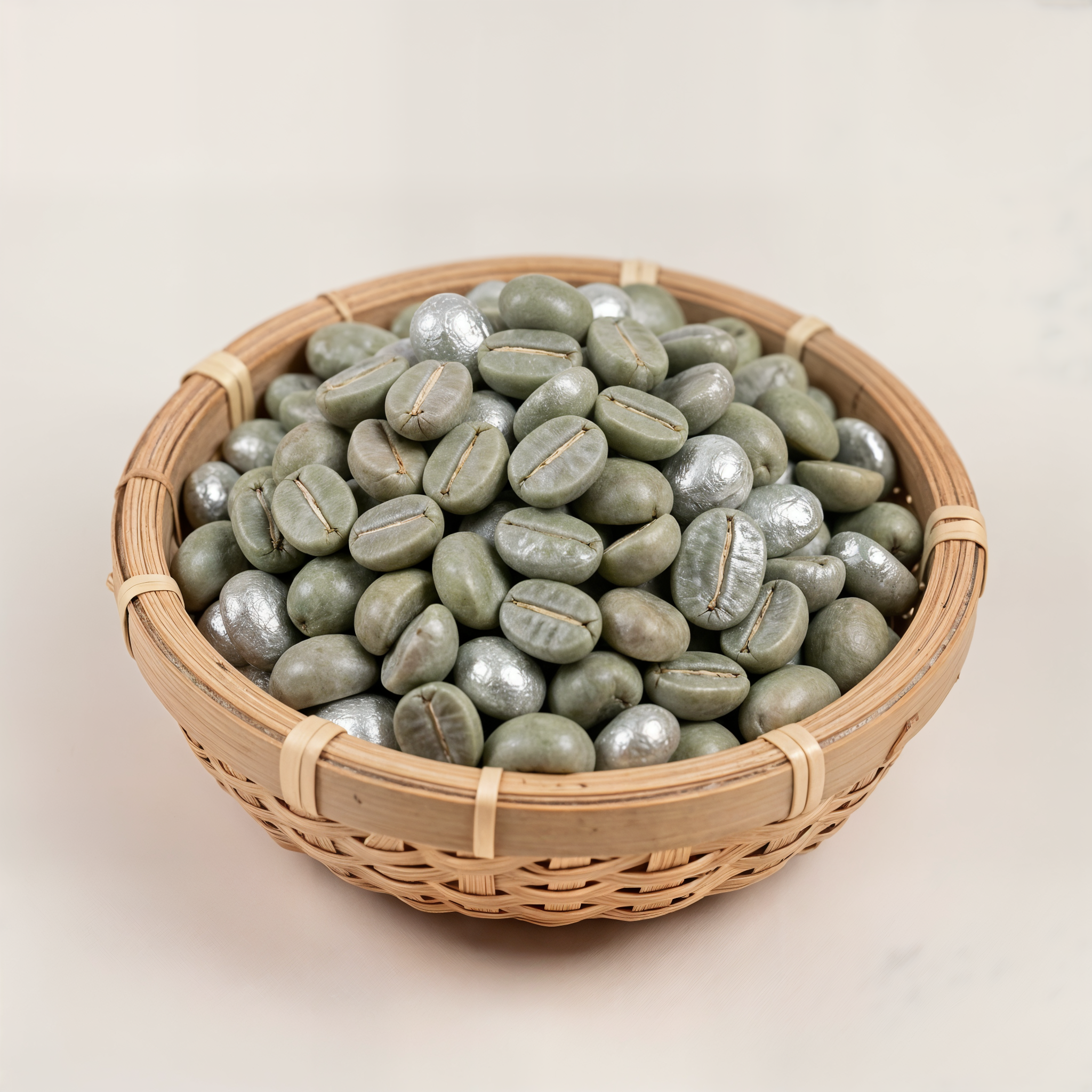
“`
Solar-Assisted Roasting for Gayo Coffee Beans: Cost Savings, Stability & Wholesale Sourcing Guide
If you buy coffee by the sack, you know the rhythm of the roastery. There’s the hum of the machine, the smell of drying beans, and the constant calculation of margins. Energy bills sit right there in that calculation. When grid prices spike, your profit shrinks. We’ve been watching those numbers closely. That’s why we’re shifting how we handle thermal energy for our Gayo operations.
We’re moving toward solar-assisted roasting. This isn’t a gimmick. It’s a practical infrastructure change that stabilizes your roast quality while keeping operating costs predictable. For wholesale buyers, this shift offers a clear path to better margins and stronger sustainability credentials without touching the complex flavor profile that makes Gayo Arabica stand out.
How Hybrid Solar-Electric Roasting Works
Traditional roasters rely entirely on grid electricity or gas. Solar-assisted systems change that equation by capturing thermal energy directly. Experimental setups, including recent tests documented in New Mexico, show success in combining solar thermal collectors with standard electric heating elements inside the roasting drum source.
Here’s how it plays out on the floor. Solar arrays focus heat into the system, providing a baseline thermal input. The electric elements act as a precise supplement. When the sun delivers strong radiation, the roaster draws minimal power from the grid. If cloud cover rolls in or production peaks late in the day, the electric backup kicks in instantly. You never lose capacity. You just reduce the draw on expensive utility power.
For a wholesale operation running multiple 50kg batches daily, this reduction adds up quickly. The system creates a buffer against volatile energy markets. Your cost per kilogram drops because you’re paying for sunlight instead of peak-hour electricity for a significant portion of the roast cycle.
Preserving the Gayo Flavor Profile
Gayo beans carry distinct characteristics. Wet-processed lots often show wine-like acidity, honey sweetness, and floral aromatics. These nuances develop during specific temperature windows. If the heat curve wobbles, those flavors flatten out.
Solar integration addresses this by improving temperature stability. The thermal input from solar sources tends to be smoother and more consistent than rapid electric surges. During the critical Maillard reaction phase, this stability helps the bean develop evenly. You avoid hot spots that can scorch delicate sugars or underdeveloped zones that leave grassy notes behind.
We’ve seen the difference in cupping sessions. Batches roasted with solar-assisted control retain sharper floral top notes and a cleaner finish. The honey sweetness remains intact because the roast curve stays true to the profile. For buyers seeking that authentic Gayo character, this consistency matters. You get the same result batch after batch, regardless of minor fluctuations in ambient conditions.
Managing Sumatran Bean Variances
Sumatran Arabica presents unique challenges. Green beans from the region often show variations in density and moisture content. Processing methods like Giling Basah can leave moisture levels that differ between harvests or even within a single lot. Traditional roasters require constant manual adjustment to compensate for these shifts.
Solar-assisted technology offers more predictable thermal input. The system responds to the bean mass with greater steadiness. When moisture content rises, the thermal inertia of the solar component helps maintain the roast rate without sudden temperature drops. This predictability allows roasters to manage density variances more effectively.
In practice, this means less time tweaking settings and more time producing. You set the profile based on the green spec, and the system holds the line. For wholesale buyers managing large volumes, this reliability reduces waste and ensures uniformity across shipments. Consistency builds trust with your end customers.
The Business Case for Wholesale Buyers
Operational expenses weigh heavily on specialty roasters. Lowering
Sources
https://perfectdailygrind.com/2026/09/new-mexico-experiment-brings-solar-heat-to-the-roasting-drum/
Related reading
Browse related products:
You may also like:
Leave a Reply