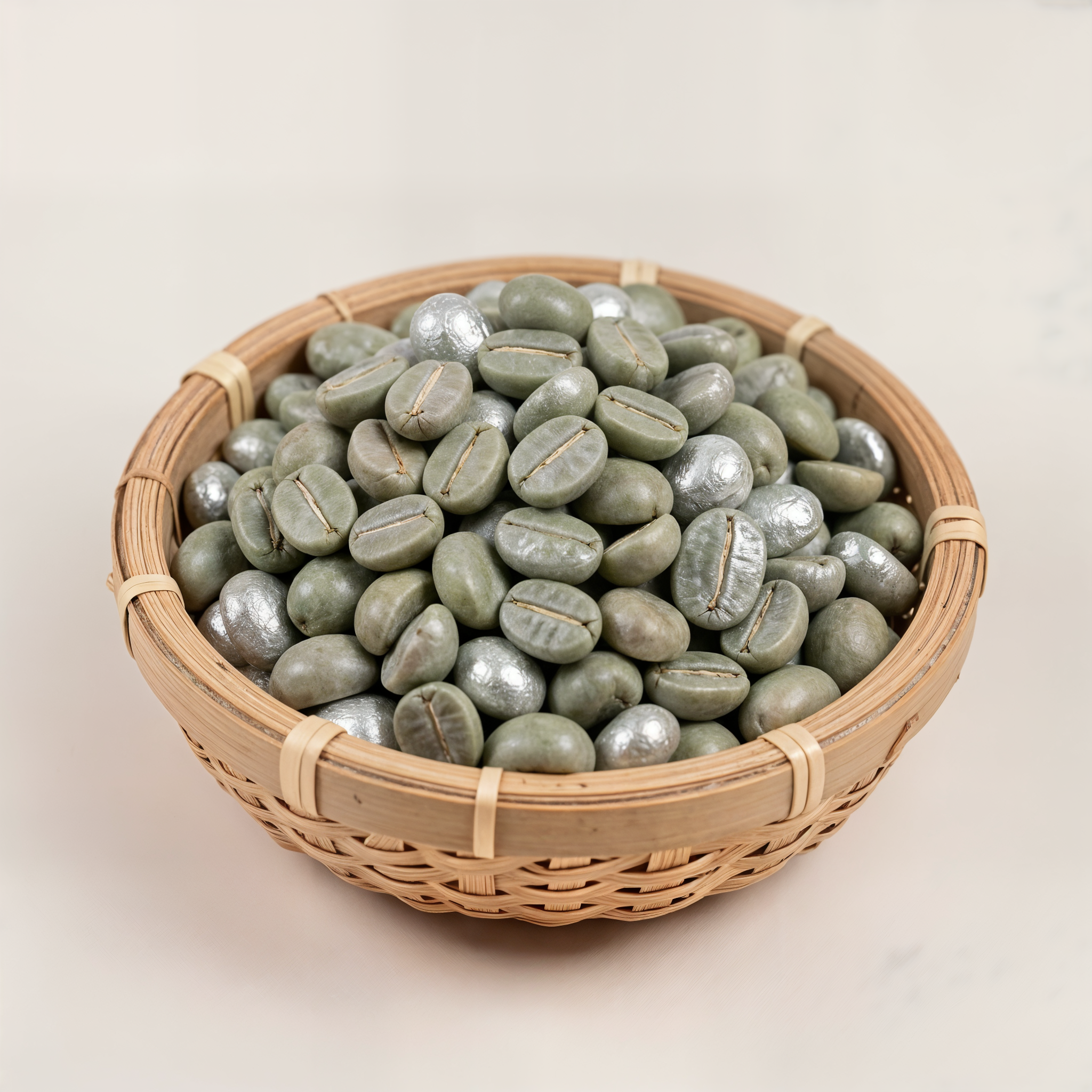
“`
Gayo Coffee Beans: The Bold, Earthy Heart of Sumatra
If you’ve ever tasted a coffee that felt heavy—almost syrupy on your tongue, with notes that remind you of cedar, dark chocolate, and maybe a little bit of wild forest—you might have already met a Gayo coffee. These beans come from the Aceh Highlands in northern Sumatra, Indonesia. They’re not flashy. They don’t taste like berries or flowers. But they have a presence that sticks with you.
I’ve been buying and roasting Gayo coffee for about six years now. I’ll tell you what I tell customers who walk into my shop: if you like your coffee bold, earthy, and full-bodied, this is a bean you should try. Let’s talk about what makes it different, how to roast it, and how to brew it so you get the best out of every cup.
Where It Comes From
Gayo coffee is grown in the Aceh province, specifically around the Gayo Highlands near Lake Tawar. The elevation there sits between 1,100 and 1,600 meters above sea level. That altitude, combined with the volcanic soil and the tropical climate, gives the beans a dense structure and a complex flavor profile.
The farmers in this region have been growing coffee for generations. Most of them work on small plots of land—maybe one or two hectares. They pick the cherries by hand, and they process them using methods that have been passed down. The most common processing style you’ll find is natural (dry) processing, where the whole cherry is dried in the sun before the bean is removed. This method contributes to the heavy body and the slightly fermented, fruity undertones that Gayo coffee is known for.
According to the Specialty Coffee Association’s flavor wheel, coffees from Sumatra often score high in “herbal” and “woody” categories. Gayo beans specifically tend to land in the “dark chocolate,” “cedar,” and “tobacco” zones. That’s not a guess—it’s a pattern that shows up in cupping scores year after year.
The Flavor Profile
Let me describe what you’re actually going to taste.
Body: Full. Syrupy. This is not a light, tea-like coffee. It coats your mouth. If you’re used to washed Ethiopian or Kenyan coffees, the difference will hit you immediately.
Acidity: Low. You won’t get bright, citrusy notes here. Instead, the acidity is soft and round—more like a ripe apple than a lemon.
Flavors: Earthy, herbal, and dark. Think of unsweetened cocoa, cedar wood, and a hint of dried tobacco. Some lots have a subtle spice note, like clove or black pepper. Others show a faint berry-like sweetness, especially if they were naturally processed.
Finish: Long and clean, with a slight dryness. It lingers on the back of your palate.
I’ve cupped Gayo beans from three different cooperatives over the past year. The flavor range is consistent: you get the earthiness every time, but the sweetness and spice levels vary depending on the harvest and the processing. That’s normal for single-origin coffee. It’s part of what makes buying from a specific region interesting.
Roast Recommendations
Gayo coffee is forgiving. It’s a robust bean that can handle heat without turning bitter or ashy. But there’s a sweet spot.
Medium Roast: This is where I recommend most people start. At medium, you preserve the bean’s natural earthiness and herbal notes while developing some caramel sweetness. The body stays full, but the roast doesn’t overpower the origin character. You’ll get a balanced cup that works well for drip coffee, pour-over, or French press.
Medium-Dark Roast: If you’re making espresso or you prefer a bolder, more chocolate-forward cup, take it to medium-dark. The sugars caramelize more, and the acidity drops even further. You’ll taste more dark chocolate and less of the raw herbal notes. This is a popular choice for cafes that want a consistent, crowd-pleasing espresso blend component.
Dark Roast: I don’t recommend going past dark. At that point, the roast flavors dominate, and you lose the distinct Gayo character. You’ll get a smoky, bitter cup that could be from any low-grade bean. If you like dark roasts, use a different bean for that purpose.
I roast my Gayo beans to about 415°F (212°C) internal temperature, which puts them right at the edge of medium. That gives me the earthy notes I want without any char.
How to Brew It
Because Gayo coffee is dense and full-bodied, it responds well to brewing methods that extract slowly and evenly. Here are three methods I’ve tested extensively.
Pour-Over (V60 or Chemex)
- Grind: Medium-coarse. Think kosher salt.
- Ratio: 1:15 (15 grams of coffee to 225 grams of water).
- Water temperature: 200°F (93°C).
- Time: 2:30 to 3:00 minutes.
Pour-over brings out the clarity of the herbal notes. You’ll taste the cedar and cocoa more distinctly. The body is still full, but it’s cleaner than immersion methods.
French Press
- Grind: Coarse. Think breadcrumbs.
- Ratio: 1:14.
- Water temperature: 200°F.
- Steep time: 4 minutes.
French press gives you the heaviest body. The oils stay in the cup, and the sediment adds texture. This is my go-to method when I want a comforting, slow-drinking coffee.
Espresso
- Grind: Fine, but not powder.
- Ratio: 1:2 (18 grams in, 36 grams out).
- Time: 25 to 30 seconds.
Gayo coffee makes a thick, syrupy espresso with a dark chocolate finish. It’s not a bright, fruity shot. It’s the kind of espresso you’d pair with milk or drink straight if you want something bold. I’ve used it as a single-origin espresso in my shop, and customers who like traditional Italian-style shots tend to prefer it.
Buying Gayo Coffee: What to Look For
If you’re buying roasted beans for home, look for a roast date within the last two weeks. Gayo coffee holds its flavor well for about three to four weeks after roasting, but fresher is always better. The beans should look uniform in color and size. Avoid bags with lots of broken beans or visible defects.
If you’re buying green beans for wholesale or commercial use, you want to work with a supplier who can provide lot traceability. Ask for the harvest year, the processing method, and the moisture content. Gayo green beans typically have a moisture content between 10.5% and 11.5%. That’s a good range for roasting.
I source my green beans directly from a cooperative in the Gayo Highlands. They send me samples before each shipment, and I cup them to confirm the flavor profile. That’s the standard practice for any serious buyer.
Why Gayo Coffee Matters
Gayo coffee isn’t trendy. It doesn’t have the hype of a Gesha or the fruit bomb of a natural Ethiopian. But it’s a workhorse. It’s reliable. It’s the kind of coffee that makes a great daily drinker, a solid espresso base, or a component in a blend that needs body and depth.
If you’re a roaster, it’s a bean that’s easy to work with. If you’re a home brewer, it’s forgiving and rewarding. And if you’re a cafe owner, it’s a coffee that your customers will recognize and trust.
Ready to Try Gayo Coffee?
I’ve got a fresh lot of Gayo beans in stock right now. They were roasted three days ago, and they’re ready to ship. If you want to taste what I’ve been describing, grab a bag.
For retail customers: Shop Gayo Coffee Beans
For wholesale or bulk orders: Request Wholesale Pricing
I also offer sample packs for roasters who want to cup before committing to a larger order. Just reach out, and I’ll send you a 1-pound sample of the current harvest.
Gayo coffee is a classic for a reason. It’s bold, it’s earthy, and it’s honest. Give it a try.
Sources
https://perfectdailygrind.com/2016/10/what-makes-sumatra-coffee-so-unique/
https://www.sca.coffee/research/flavor-wheel
https://www.koperasikopigayo.com/en/about-us
Related reading
Browse related products:
You may also like:
Leave a Reply