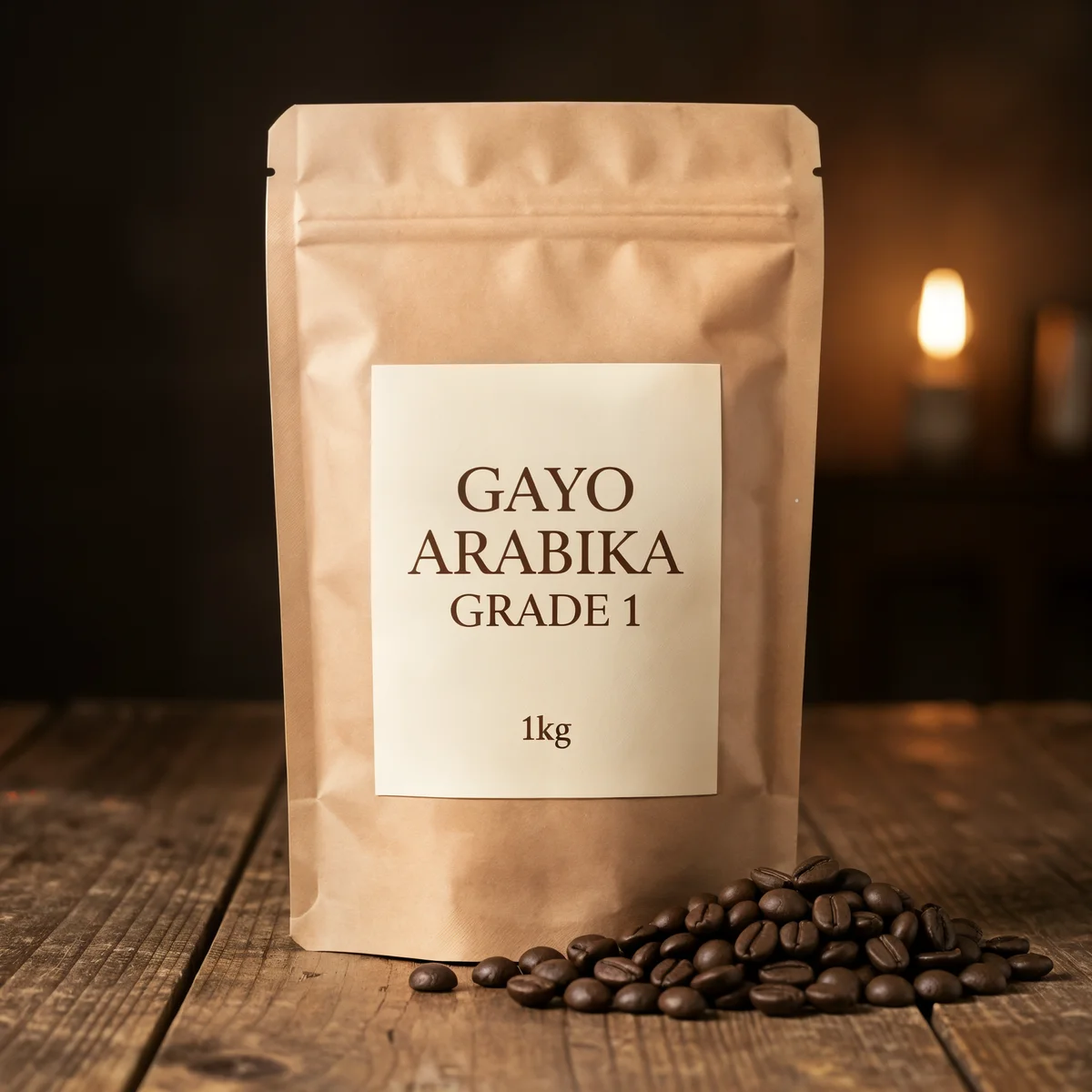
Gayo Coffee Beans: Sourcing, Trends & Career Paths for Specialty Buyers
If you’re sourcing Gayo coffee beans—those clean, complex Arabicas from the Aceh highlands—you already know they fit a specific niche in the specialty market. But the landscape around them keeps shifting. New retail doors open, green buying becomes a more structured profession, and global demand for traceable, high-quality lots intensifies. Ignore these changes, and you might miss out on the best contracts.
This article pulls together five recent developments from around the coffee world, all with direct relevance to how you source, buy, and sell Gayo coffee. Each section includes a real-world example from the industry right now, because theory won’t help you lock in a price or spot a good crop.
1. The Grounds for Health Auction: A Model for Gayo Sourcing
Every year, Grounds for Health runs a coffee auction that brings together importers, roasters, and producers around a single goal: funding cervical cancer prevention in coffee-growing communities. The 2025 auction marked their 30th anniversary. According to their announcement, it offered “roasters a range of traceable, high‑quality green coffees” from multiple origins source.
Why does this matter for Gayo buyers? Because the auction model proves there’s a premium waiting for coffee that comes with clear traceability and a social story. Gayo coffee, with its strong cooperative networks and environmental initiatives like Social Forestry, fits that mold perfectly. If you’re competing for the same lots as big roasters who also want to tell a story, you need to show up ready to pay for the documentation and relationships that make traceability possible.
Think of it this way: the auction isn’t just about raising money. It’s a signal that buyers are actively seeking transparency. If your Gayo supplier can’t give you the name of the farmer group or the drying method, someone else will step in.
2. Hijau Coffee Puts Indonesia on the Map in Silicon Valley
In August 2025, a shop called Hijau Coffee opened in San Jose, California, dedicated specifically to Indonesian coffee. The owners described the concept as “devoted to the flavors of Indonesia” source. This is the kind of retail move that directly affects wholesale demand for Gayo beans.
A single café may not move huge volume, but it creates a proof point. When tech workers in the Bay Area taste a clean, fruity Sumatra—often from Gayo—they start asking for it at their local roasters. That trickle‑down demand eventually reaches wholesale buyers. If you’re a roaster looking to differentiate yourself, a dedicated “Indonesia” blend or single‑origin Gayo offering can pull in customers who already know the flavor profile from places like Hijau.
The key takeaway: Gayo coffee is no longer just a staple for dark roast blends. More retail spaces are treating it as a star, and that means you can justify a higher price point if you source carefully.
3. Green Coffee Buying as a Career: What It Means for Gayo
The path to becoming a green coffee buyer used to be pretty informal. You learned by tasting, traveling, and making mistakes. But a recent article on kickstarting a career in green buying lays out a more structured reality: “Green coffee buying combines technical precision with relationship‑building. Newcomers need sensory training, certifications, and operational knowledge of spreadsheets, forecasting, and contracts” source.
For someone specifically sourcing Gayo coffee, this shift is both a challenge and an opportunity. You’re now competing against buyers who have formal training in sensory analysis and supply chain management. But that also means you can build real proprietary knowledge—knowing which Gayo cooperatives dry their coffee on raised beds, which ones use a specific fermentation style, and how weather patterns affect the harvest.
If you’re new to buying Gayo, invest in training. Go to a cupping lab that handles Sumatran coffees. Learn to pick out the telltale notes of wet‑hulled vs. full‑washed Gayo lots. Build a spreadsheet that tracks moisture content and screen size for every lot you evaluate. The days of buying by gut feel are fading. The buyers who combine instinct with data will secure the best deals.
4. Shanghai’s Coffee Boom Raises the Bar for Quality
The U.S. isn’t the only market pulling high‑quality Gayo beans. A 2025 report from the USDA Foreign Agricultural Service details how the Shanghai coffee boom is “intensifying competition for quality coffees” source. China has become a major specialty coffee importer, and Chinese roasters are actively seeking out unique Indonesian origins.
This matters directly to your wholesale pricing. When Chinese buyers offer a premium for Gayo lots with high cup scores or certified organic production, you have to be willing to match or exceed that price to secure the same beans. The days of “cheap Sumatra” are over. Gayo coffee, especially when it’s processed as honey or natural, competes globally for a limited supply.
If you’re a roaster or wholesaler, now is the time to lock in long‑term contracts with your Gayo suppliers. Short‑term spot buying will leave you paying top dollar against Chinese buyers. Build relationships early, and be transparent about the volume you need.
5. Beekeeper Coffee Attracts Big‑League Investors: Lessons for Gayo Brands
Not every coffee brand is a tiny local roaster. Beekeeper Coffee recently attracted investment from athletes in the NBA, NFL, and PGA source. That kind of capital injection lets a company scale up quickly, market aggressively, and build supply chains that include origins like Gayo.
What does this mean for you? When big‑money brands jump into the specialty space, they often need large, consistent volumes of high‑quality green coffee. Gayo producers who can deliver that consistency—through washing stations with quality control, proper drying, and good storage—will get a piece of that demand.
If you’re a smaller roaster, don’t panic. You can still compete by focusing on the things big buyers can’t offer: deep relationships, small‑lot exclusivity, and a genuine story that comes from visiting the village. But you do need to be aware that Gayo coffee is now on the radar of investors. That means you can’t afford to be slow or unreliable.
Bringing It All Together
Buying Gayo coffee today isn’t just about knowing the flavor notes. It’s about understanding the global currents that affect supply: philanthropic auctions that reward transparency, retail concepts that showcase Indonesian origin, career paths that demand more rigor, booming Asian markets that bid up prices, and big‑brand capital that reshapes supply chains.
Stay informed. Build skills. Lock in relationships. That’s how you secure great Gayo beans year after year.
Ready to Source Gayo Coffee Beans?
If you’re a roaster, wholesaler, or café owner looking to buy Gayo coffee beans—whether natural, honey, or washed process—we’d love to talk. We work directly with cooperatives in the Gayo highlands to bring you traceable, high‑scoring lots.
👉 Visit our shop to see current offerings and pricing.
👉 Or request wholesale pricing by contacting our sourcing team. Let’s find the perfect lot for your roast profile.
Related reading
Browse related products:
- Sumatra Highland Terraced Arabica
- Gaggia Ruby 1 Group Coffee Machine
- Gayo Natural Roasted Coffee Beans
You may also like:
Leave a Reply