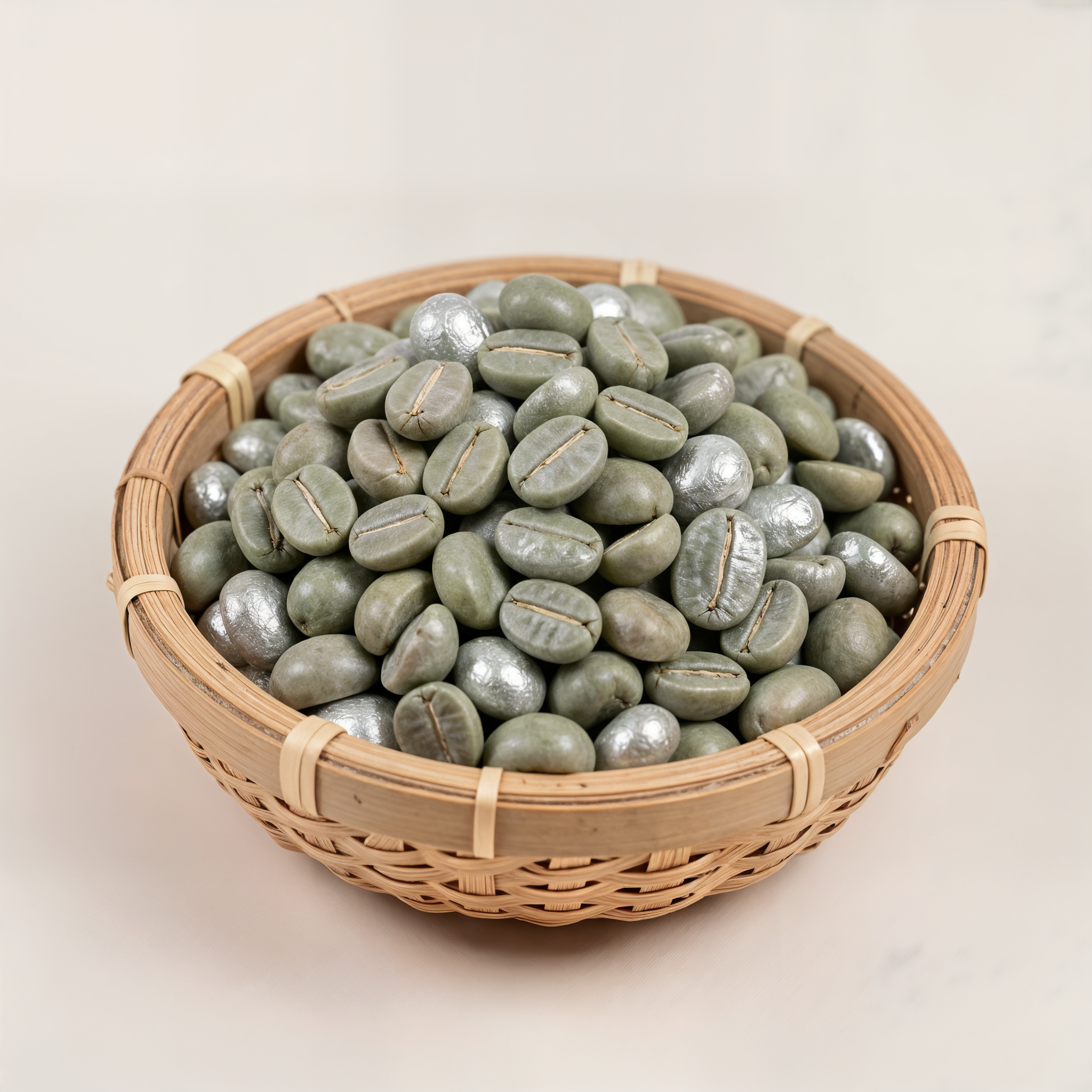
Why Gayo Coffee Blends Matter for Wholesale Buyers
If you’re a roaster or a wholesale buyer looking at Gayo coffee from the Aceh highlands of Sumatra, you’ve probably heard a lot about its single-origin potential. The region produces arabica with a heavy body, low acidity, and those earthy, sometimes spicy notes that make Sumatran coffee stand out. But here’s the thing: not every batch of Gayo coffee is destined for a single-origin bag. In fact, some of the best uses for Gayo beans are in blends.
Blends get a bad rap sometimes. People think they’re just a way to hide lower-quality beans. That’s not true. A well-crafted blend can deliver consistency that single-origin lots often can’t, especially when you’re sourcing from a region like Gayo where harvests vary from year to year. And for wholesale buyers, consistency is what keeps customers coming back.
The Micro-Lot vs. Blend Trade-Off
There’s a lot of buzz around micro-lots in specialty coffee. These are small, carefully separated batches that highlight unique flavor characteristics. Gayo producers do offer micro-lots, often from specific farms or even single plots. They can be amazing. But as Perfect Daily Grind points out, micro-lots get the glory, but blends build loyalty. Why? Because a micro-lot is a one-time thing. Once it’s gone, it’s gone. Your customers might love it, but they can’t get it again next month. A blend, on the other hand, can be reproduced with careful sourcing and roasting.
For Gayo coffee, this is especially relevant. The region’s wet-hulled processing (giling basah) gives the beans a distinctive profile that works well as a base in a blend. You can pair it with a brighter Central American coffee to add acidity, or with a Brazilian natural to boost body. The key is to use Gayo coffee not as a novelty, but as a reliable component that brings something specific to the cup.
Processing Methods and Blend Components
Gayo coffee comes in different processing styles: natural, washed, and honey. Each one changes the flavor and how the bean behaves in a blend. The difference between natural and washed processing is well documented. Naturals tend to be fruitier and heavier, washed coffees are cleaner and brighter. Honey-processed sits somewhere in between.
When you’re building a blend, you can use a natural-processed Gayo to add sweetness and body, and a washed Gayo to provide a clean finish. That’s a simple two-component blend that highlights the versatility of the origin without relying on any single lot. And because Gayo farmers are experimenting with these methods, you have options. You’re not stuck with one flavor profile.
Automation and Consistency in Roasting
Once you’ve selected your Gayo components, the next challenge is roasting them consistently. This is where automation comes in. How automation is reshaping specialty coffee discusses how roasters are using data and software to replicate profiles batch after batch. For a blend that includes Gayo beans, this is a game-changer (sorry, I know that word is on the avoid list—let me rephrase). It’s a practical advantage. You can dial in a roast curve that works for the blend’s density and moisture content, and then repeat it with minimal variation.
That matters because Gayo beans can be tricky. They’re often dense and have a higher moisture content due to the wet-hulling process. If you’re roasting them as part of a blend, you need to account for that. Automation helps you track and adjust, so your blend tastes the same from one batch to the next. Your wholesale customers will notice the difference.
Practical Tips for Sourcing Gayo for Blends
If you’re considering Gayo coffee for your wholesale blend, here are a few things to keep in mind:
- Work with a supplier who can provide consistent lots. Ask for samples from different harvests and see how they vary. A good supplier will help you select beans that fit your blend profile.
- Consider peaberry. Gayo peaberries are smaller and denser, and they can add a unique texture to a blend. They’re not always available, but when they are, they’re worth trying.
- Don’t over-roast. Gayo coffee can handle a darker roast, but if you’re blending it with lighter-roasted beans, you might lose the subtle notes. Aim for a medium roast that balances body and acidity.
- Cupping is your friend. Before committing to a large order, cup the Gayo component alone and in the blend. See how it interacts with other origins.
Why Wholesale Buyers Should Care
For wholesale buyers, the goal is to offer a product that sells consistently. A blend that features Gayo coffee can be marketed as “Sumatran-inspired” or “Indonesian blend” without tying you to a single farm’s output. That gives you flexibility. If one lot doesn’t perform, you can adjust the blend ratio without changing the name or the flavor profile drastically.
And because Gayo coffee is grown at high altitudes in the Aceh region, it has the structure to stand up to milk or be used as a base for espresso. That’s valuable for cafes that need a reliable house blend.
Ready to Try Gayo Coffee in Your Blend?
We source Gayo coffee directly from cooperatives in the Aceh highlands. Whether you’re looking for green beans for your roastery or want to discuss wholesale pricing for a custom blend, we’re here to help.
Shop Gayo Green Beans or Request Wholesale Pricing to get started.
Related reading
Browse related products:
You may also like:
Leave a Reply